There is a question I have carried with me for a long time.
Who is building the systems Africa depends on?
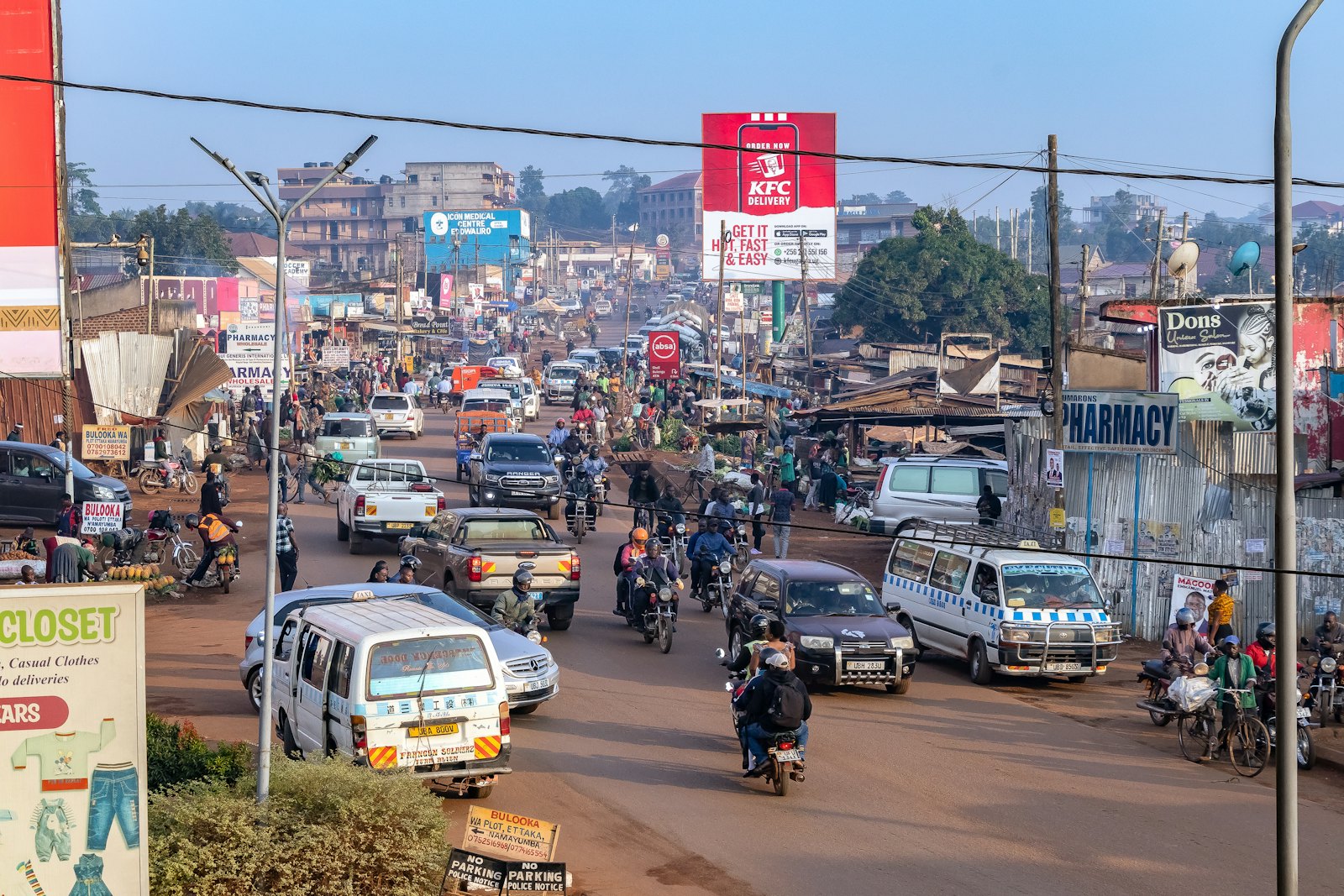
Millions of people on this continent use technology every day. Yet much of the technology that runs our governments, businesses, hospitals, banks and communication networks was designed somewhere else. We adopt it, subscribe to it, integrate it and consume it. Rarely do we stop to ask what we are building ourselves.
This is not an argument against foreign technology. The world has always advanced by learning from one another and building on what already exists. The problem begins when a continent becomes so comfortable consuming that it forgets how to create.
The places that have transformed themselves did not wait for someone to arrive with a solution to every problem. They identified what was holding them back and built the institutions, technologies, businesses and infrastructure they needed to move forward. That is how progress happens.
A nation cannot build a strong economy on systems it does not understand, cannot modify and does not control.
Today, a hospital may run on software written decades ago on another continent. A bank may depend on infrastructure its own engineers did not build. A government may rely on digital platforms whose future is decided thousands of kilometres away. Millions of Africans create value on global platforms, yet have little say in how those platforms operate within our own economies.
When those systems change, we adapt. When they introduce new rules, we adjust. When they leave, we look for another option. That cannot be the final story of Africa.
We must become builders.
Not because everything foreign is bad, and not because Africa should isolate itself from the world, but because ownership matters. There is a difference between being given a system and knowing how to build one; between using infrastructure and being able to create it; between being a customer of technology and being its creator; and between participating in someone else's digital economy and building one of our own.
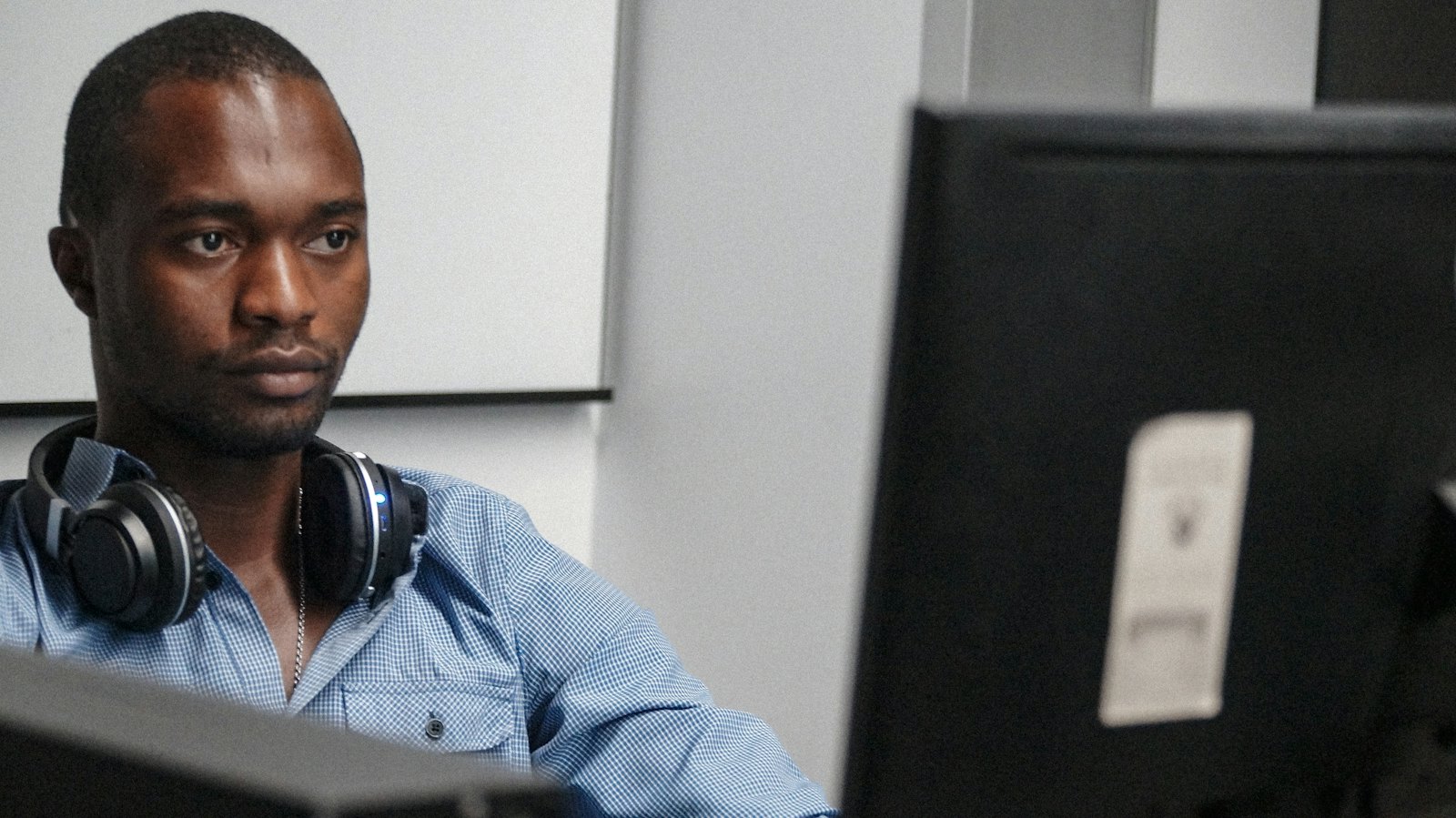
I believe Africa has the people to do this. The student in a university lecture hall today may have the idea that changes an industry tomorrow. The young person learning to code on an old computer may one day build a system used by millions. The engineer solving a problem in a small office may be working on exactly what a country needs. And the entrepreneur who refuses to accept what everyone else calls normal may be the one who finally solves it.
Those people need a reason to believe.
That is why I started Kent Systems Africa. Not because one company can solve Africa's problems. It cannot, and it should not have to. I want Kent Systems Africa to be a beginning: proof that we can build, that our problems are not too complicated to solve, that African engineers can design serious systems, that our institutions can develop technology that reflects our own realities, and that a young African does not have to leave this continent to prove their ideas have value.
Perhaps Kent Systems Africa will not be the company that reaches the end of this journey. Perhaps another company will build something better. Perhaps someone reading this today will take an idea from these words, go further than we ever imagined and build something that changes an entire country.
If that happens, we will have succeeded.
The objective is bigger than any one company. It is to change what we believe is possible. Africa does not need another generation that waits for solutions to arrive. It needs a generation that looks at a problem and says:
Let us build the solution.
That is the Africa I believe in. That is the Africa I want to contribute to. And that is where I choose to begin.